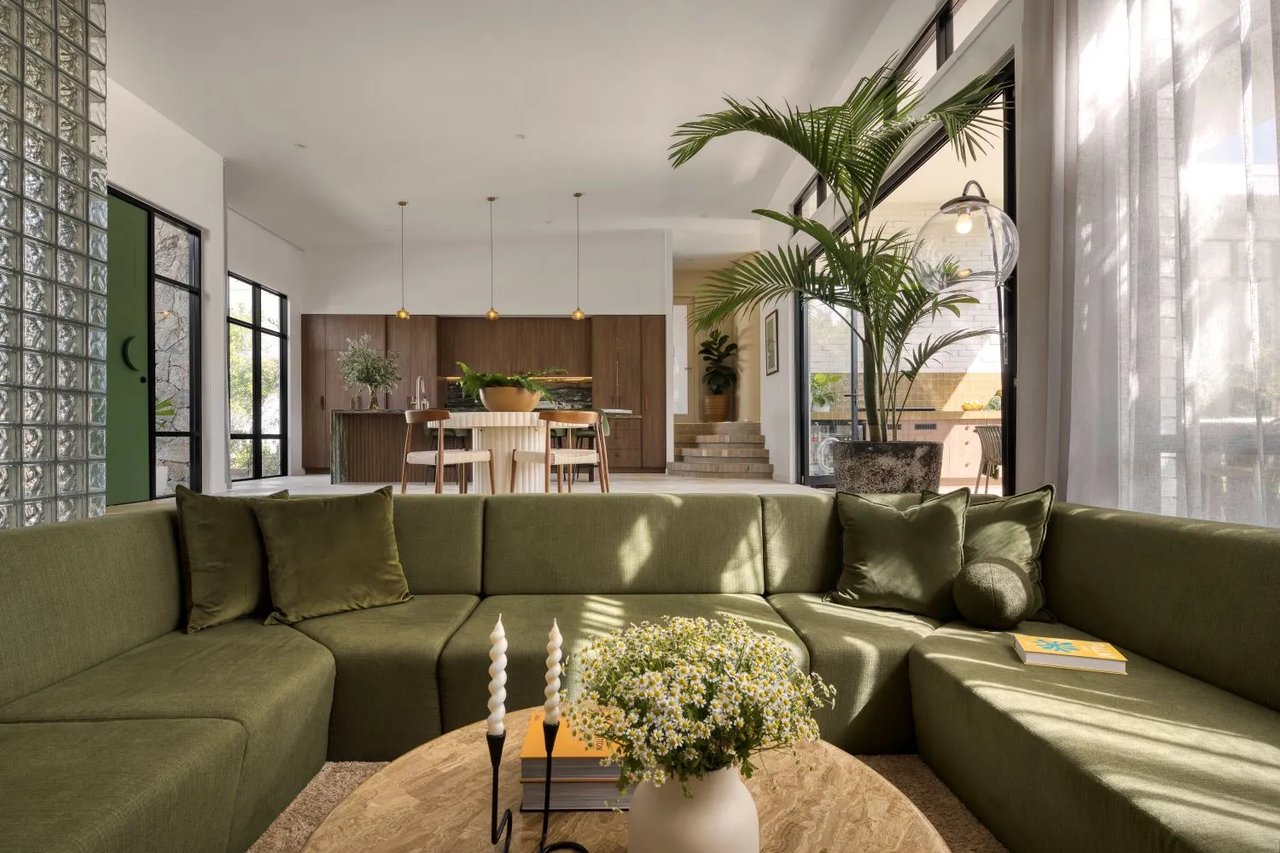
A look at how modernism continues to shape interiors today
There’s something about mid-century modern architecture that continues to feel as relevant today as it did when it first emerged.
Spending more time looking into modernism, and more specifically the architecture of Palm Springs, what stands out isn’t just the design itself, but how seamlessly it translates into the way people live.
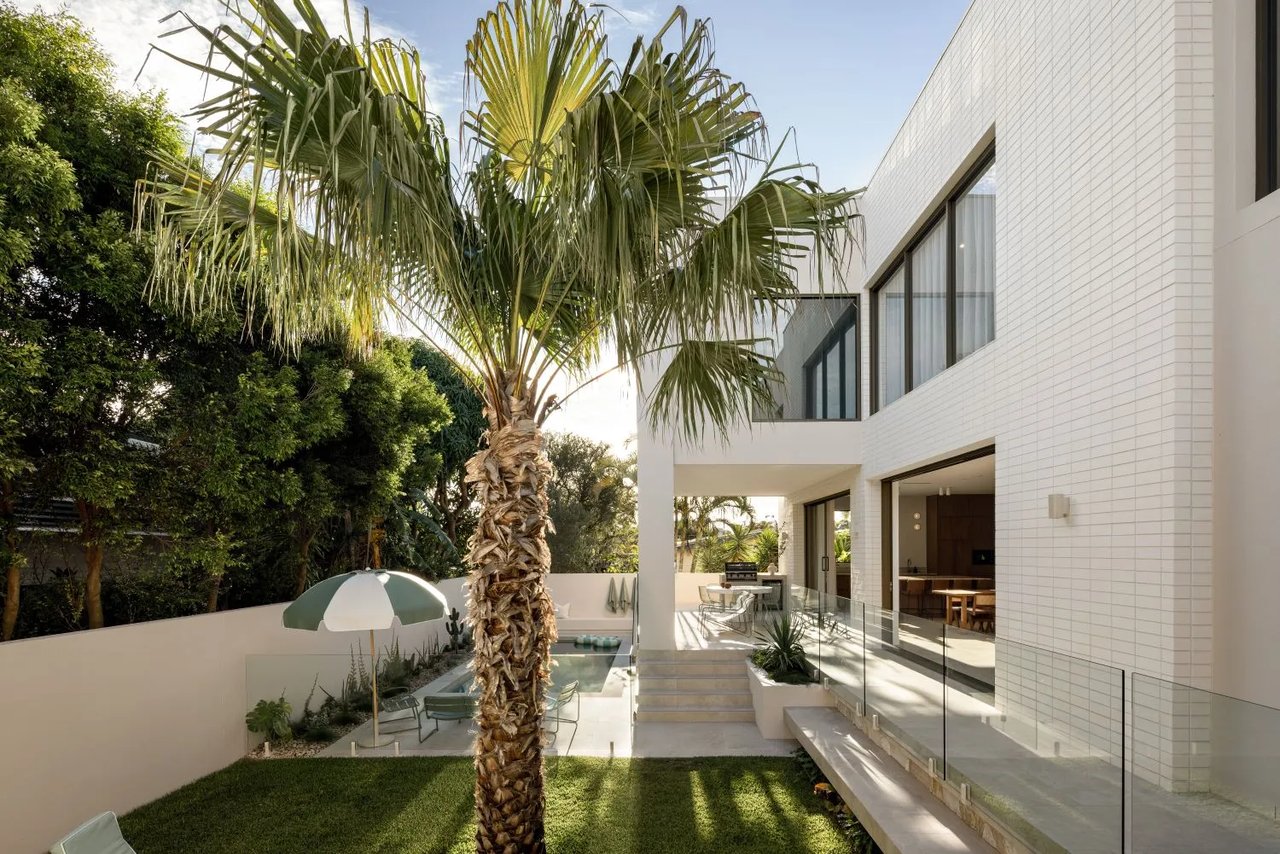
Homes feel open, intentional, and deeply connected to their surroundings. What I’ve found most interesting is how those principles carry through into the interiors.
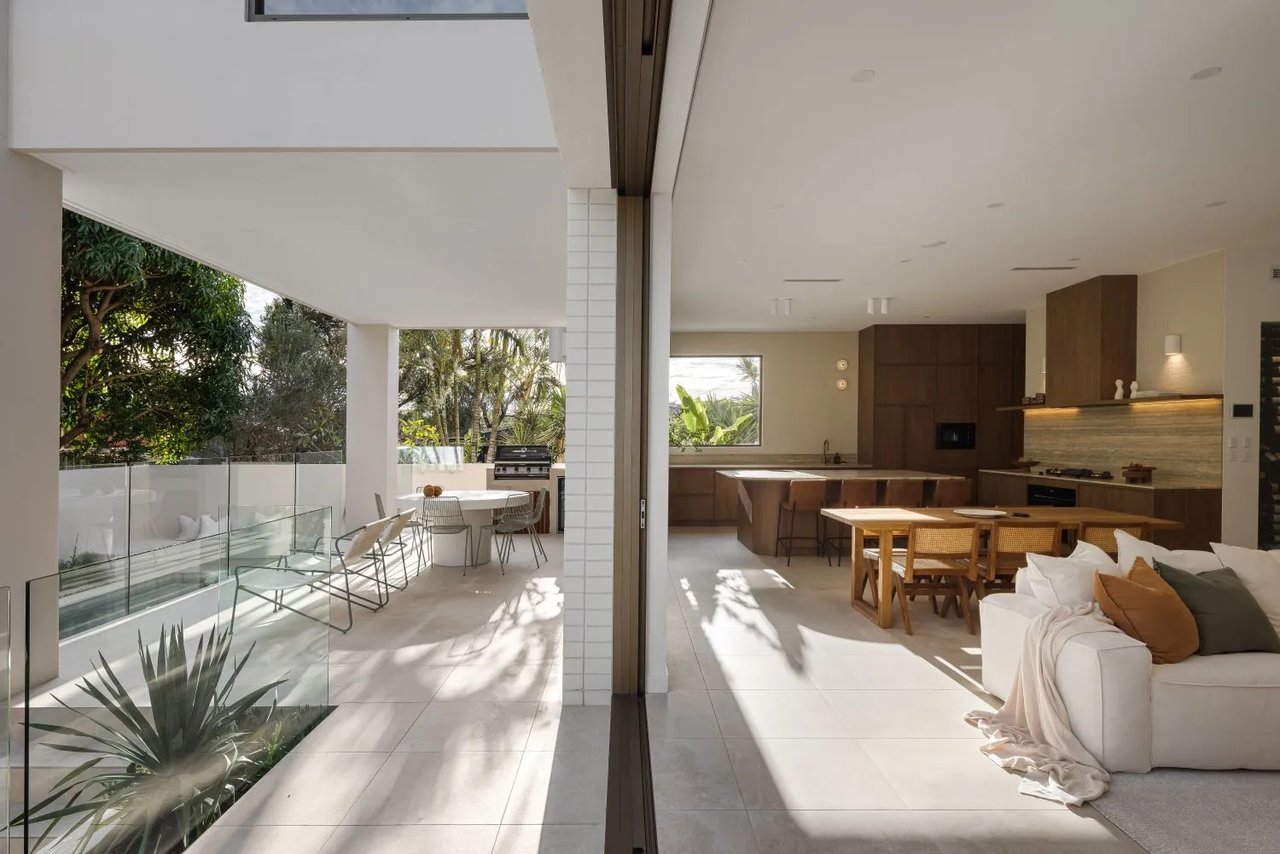
It’s not about filling a space. It’s about creating flow. Clean lines, thoughtful proportions, and a strong relationship between indoor and outdoor living all shape how these homes are experienced from the inside.
Materials play a big role in that.
You’ll often see a mix of warm woods, stone, and glass working together to create contrast without feeling heavy. Nothing feels overly ornate or unnecessary. Instead, there’s a clarity to the design that allows each element to stand on its own.
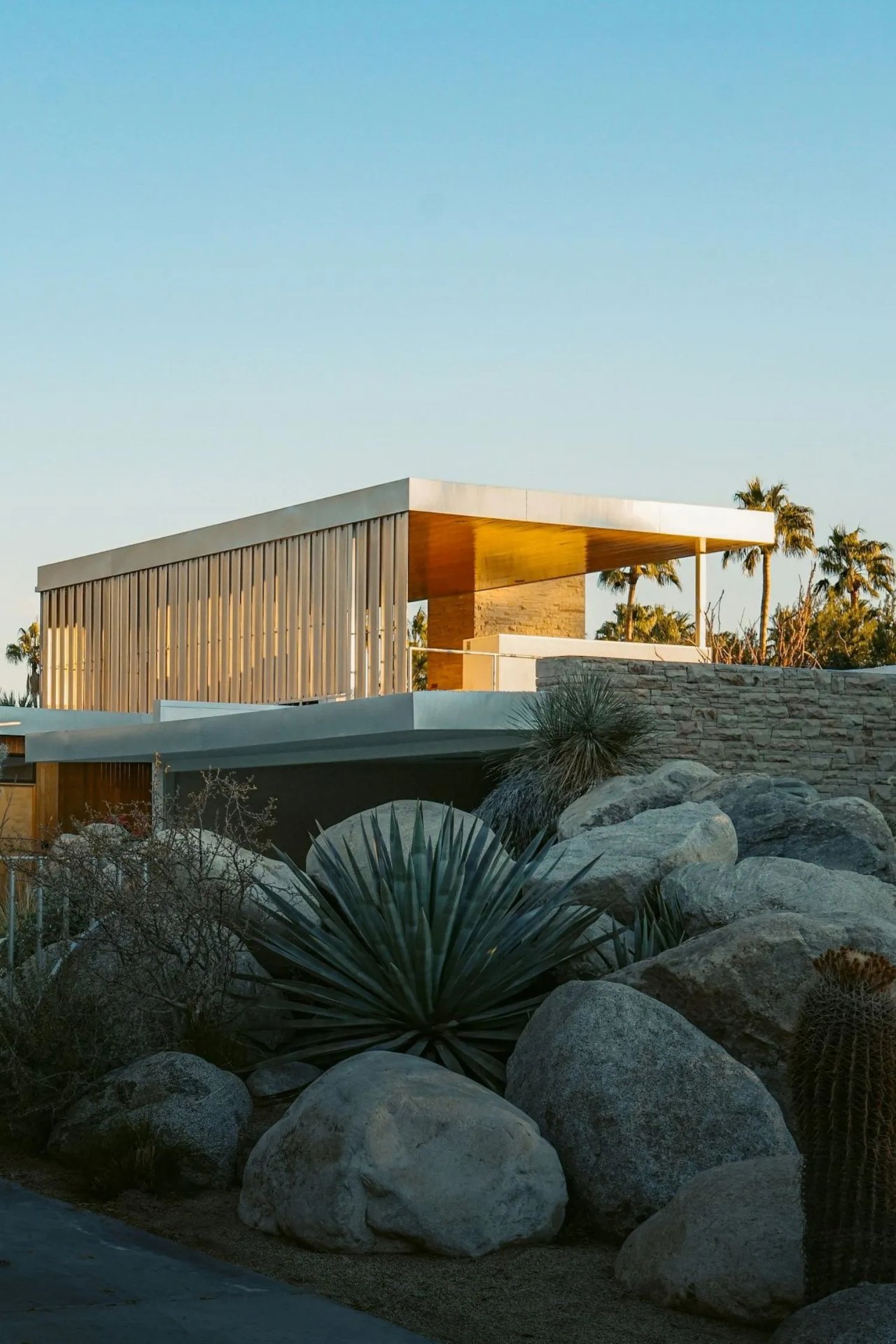
That simplicity is what makes it feel elevated. One of the most defining aspects of this style is how the architecture and interior work together. In homes like Frey House II, designed by Albert Frey, the boundaries between inside and outside almost disappear. Natural elements like stone are brought directly into the home, while expansive glass allows light and landscape to become part of the interior itself.
It’s a reminder that design doesn’t have to rely on excess to feel impactful. That same idea shows up in more subtle ways across modern interiors today.
Furniture tends to sit lower, allowing the architecture to take focus. Spaces feel more open, with fewer interruptions. Materials are chosen not just for how they look, but for how they interact with light throughout the day.
There’s also a restraint in how everything comes together.
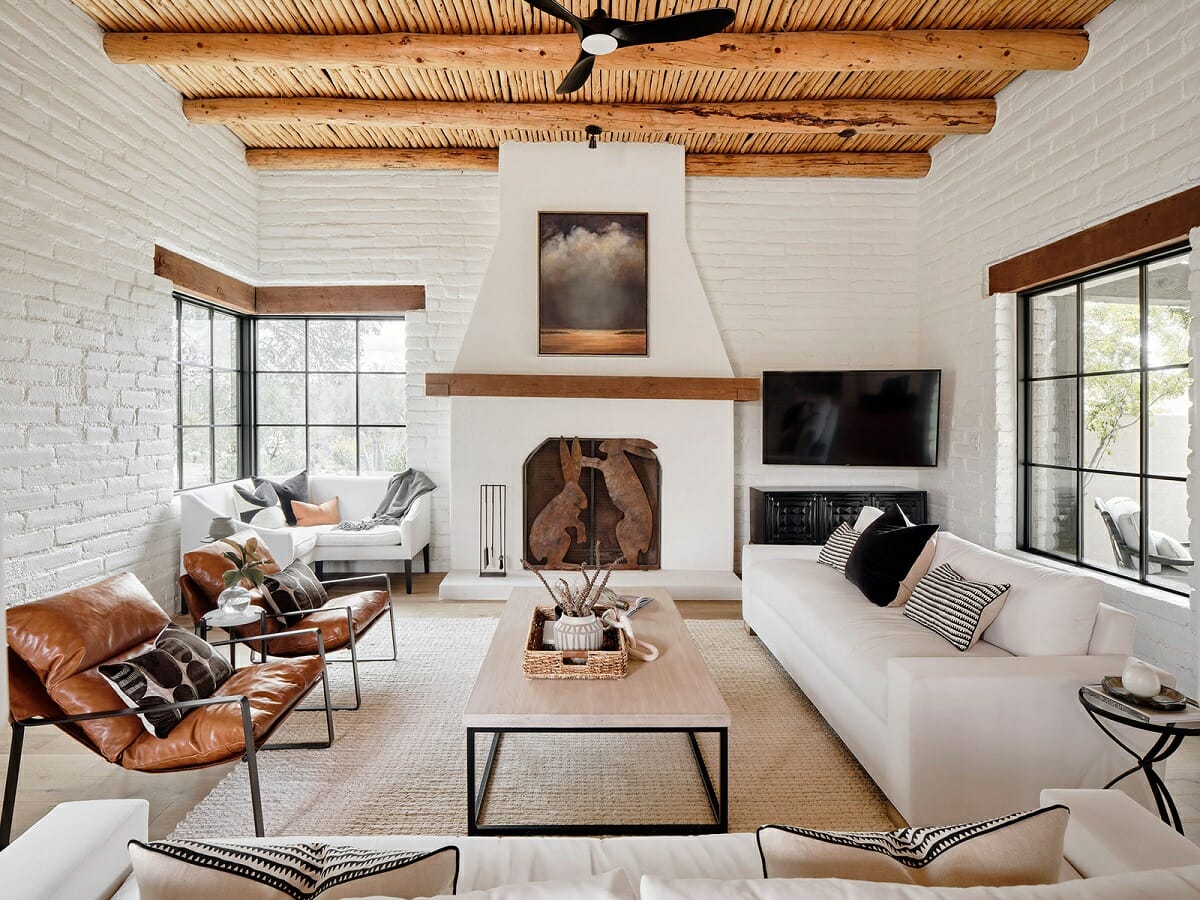
Instead of layering trends, the design relies on a few strong elements. A statement chair. A clean-lined sofa. A single material repeated in a thoughtful way. It creates a sense of calm, but also a sense of intention.
And similar to what I explored with Brutalism, it’s not about recreating mid-century design exactly as it was.
It’s about understanding what makes it work. The connection to the environment. The simplicity of form. The balance between structure and warmth. These are the elements that continue to influence how homes are being designed and decorated today. Especially in places like Palm Springs, where that design language has never really gone away, it’s just evolved.
What makes it so enduring is how livable it feels. Open, but not empty. Minimal, but still warm. Designed, but never overdone.
And in many ways, that balance is what defines the most interesting interiors right now.